By CELT 2026 High School Summer Intern, Dillon Jenkins
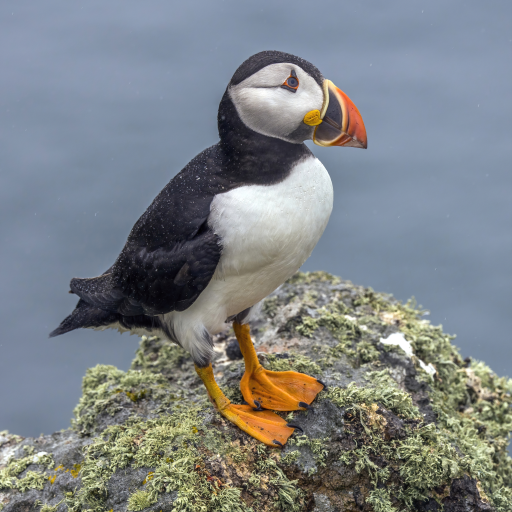
The beautiful Atlantic Puffin is a coastal bird inhabiting the islands of Maine. Places like Easter Egg Rock, Seal Island, Matinicus Rock, Petit Manan Island, and Machias Seal Island are all habitats for the Atlantic Puffin. The cold, fish-filled waters that surround these islands makes them ideal habitat for the Atlantic Puffin. Additionally, the isolation provides protection from predators, while the crannied rocks supply suitable nesting locations.
Puffins are migratory birds, arriving at Maine’s coast in late April and leaving during mid-August. While Atlantic puffins spend their summers on the islands of Maine, they mate, claim burrows, and lay eggs. Unlike other birds’ tree nests, puffins are ground nesters, creating sophisticated burrows. Puffins create short tunnels in the ground, which lead to a nesting chamber, in which puffins gather grass, feathers, and seaweed for a cozy nest. Also, in nests, puffins create a separate chamber for waste deposition. When puffins are ready to leave the island in mid-August, they enter water and travel on the surface or by swimming below using their wings. They spend their winters at sea, making them pelagic birds, sustaining themselves through diving for fish about 200 miles off the coast of Cape Cod.
Atlantic puffins are classified as a vulnerable species due to major population drops due to a variety of factors:
- Overfishing by industry causes food shortages that lead to puffins lacking necessary nutrients for survival of populations. This hampers growth of communities due to an inability for puffins to feed their young, and sometimes themselves.
- Warming waters due to climate change have caused a decrease in the prey of puffins, such as sand eels and capelin. This further perpetuates food shortage issues.
- Oil spills coat puffin feathers, causing complete destruction of the waterproofing of their feathers. This destruction leads to hypothermia as well as poisoning as they ingest oils while cleaning their feathers.
- Plastics which accumulate in fish and other prey of puffins cause blockages in their digestive tracts.
- Extreme weather from climate change has caused disruption to nesting and breeding patterns. Severe storms have destroyed nesting sites, preventing proliferation of the species.
Despite the many issues the Atlantic Puffin communities are facing, there are things we can do to help:
- Reducing the use of single use plastic decreases the amount of plastic pollution input into the ocean, which helps overall marine health, including puffin survival.
- Donations can be made to Adopta-A-Puffin through the National Audubon Society’s Seabird Institute. Their mission is to help restore islands that puffins rely on for nesting.
- Supporting sustainable fishing by purchasing fish with consideration of the practices involved in acquiring them ensures that companies participating in harmful fishing practices are not supported.
- If you own a boat, ensuring that you stay a safe distance from islands inhabited by puffins and that your boat is not leaking any chemical discharge helps protect puffin populations.