Written by Allison Kimball
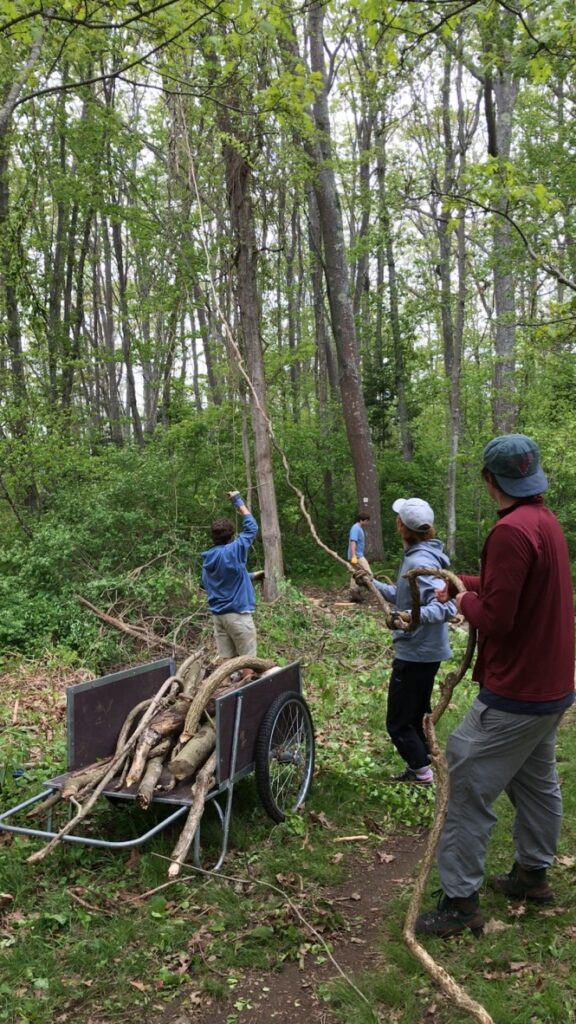
As the 2026 summer stewardship assistant with CELT, I’ve learned the importance of being a steward of the parcels cared for by the first people of the Wabanaki Confederacy centuries before now. One way this stewardship manifests is to ensure that the local plant ecosystem is balanced and not being dominated by what are known as invasive plants.
The Maine Department of Agriculture, Conservation, and Forestry defines a plant as invasive when it is non-native, can establish itself in a habitat unassisted and further grow relatively quickly, can naturally spread across gaps, has the potential to develop into a large colony, and outcompetes native species.
All these features create a direct threat to native plants by taking up the space and resources they need to grow and maintain themselves for their survival and the benefit of other species. From a human perspective, invasives tend to make landscapes often too dense or thorny to comfortably walk through or are an eye sore in your garden.
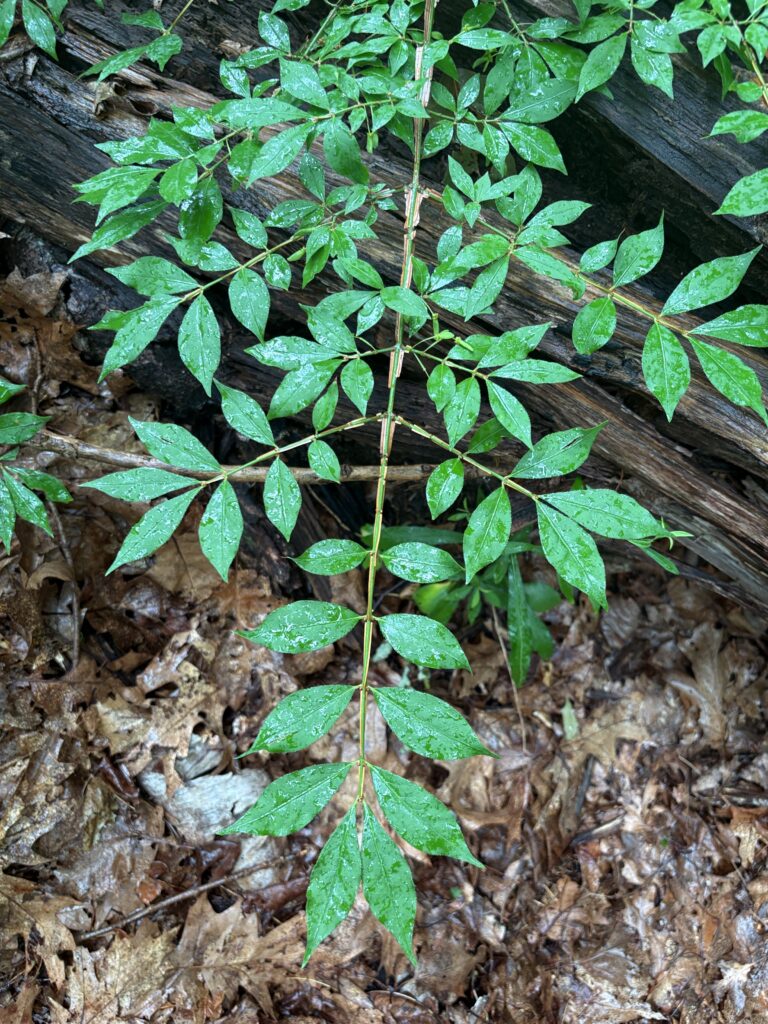
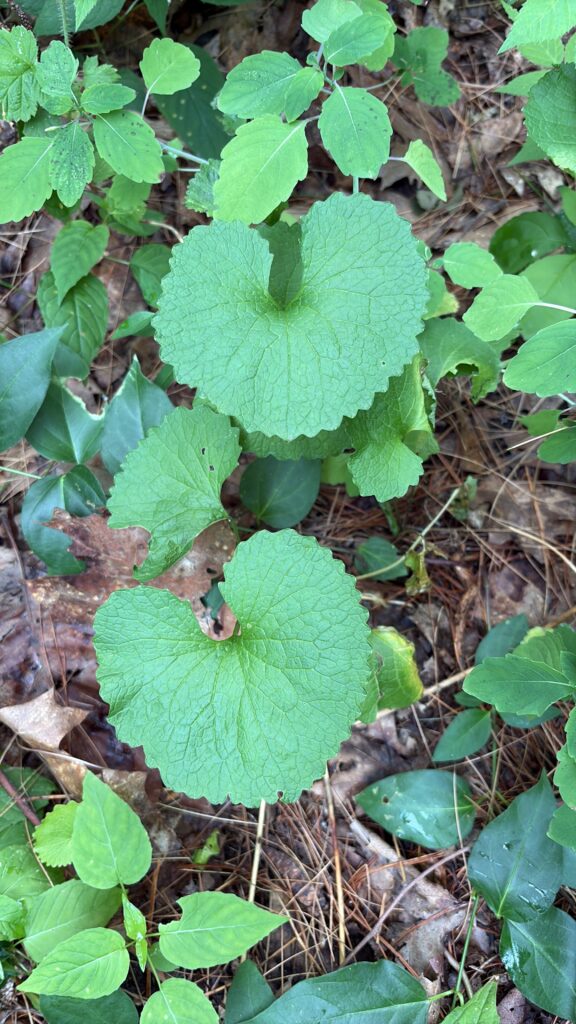
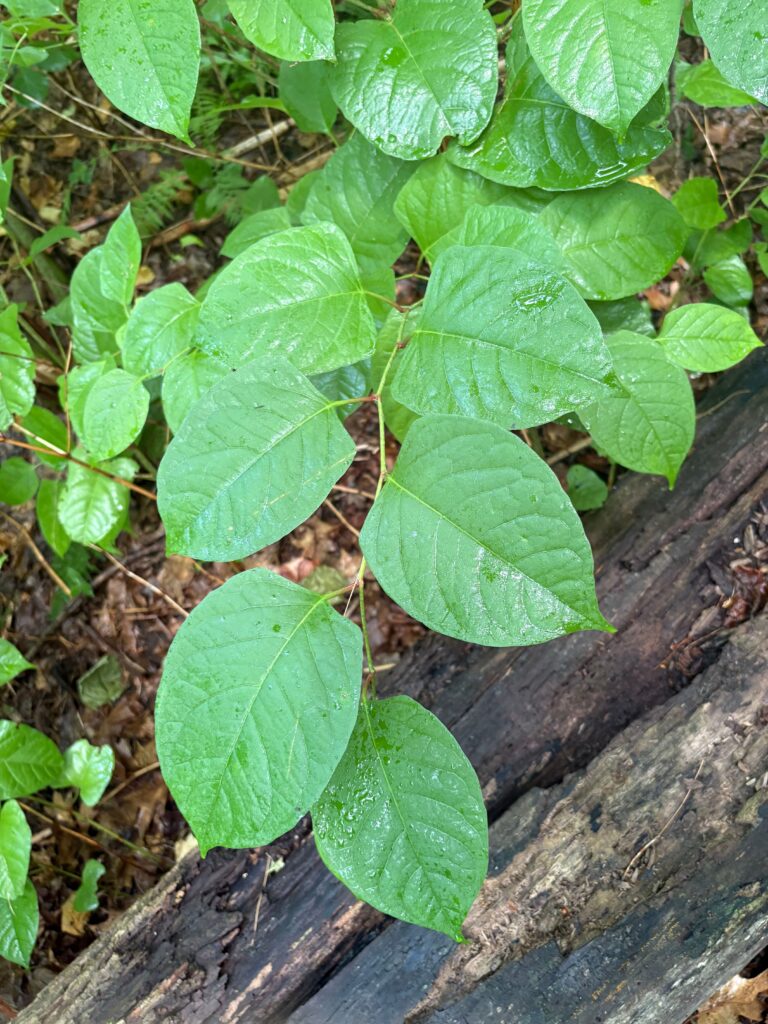
Some of the most prevalent invasive plants across the land trust preserves in Cape Elizabeth include oriental bittersweet, winged euonymus, garlic mustard, Japanese knotweed, Morrow’s honeysuckle, Japanese barberry, black swallowwort, autumn olive, and multiflora rose.
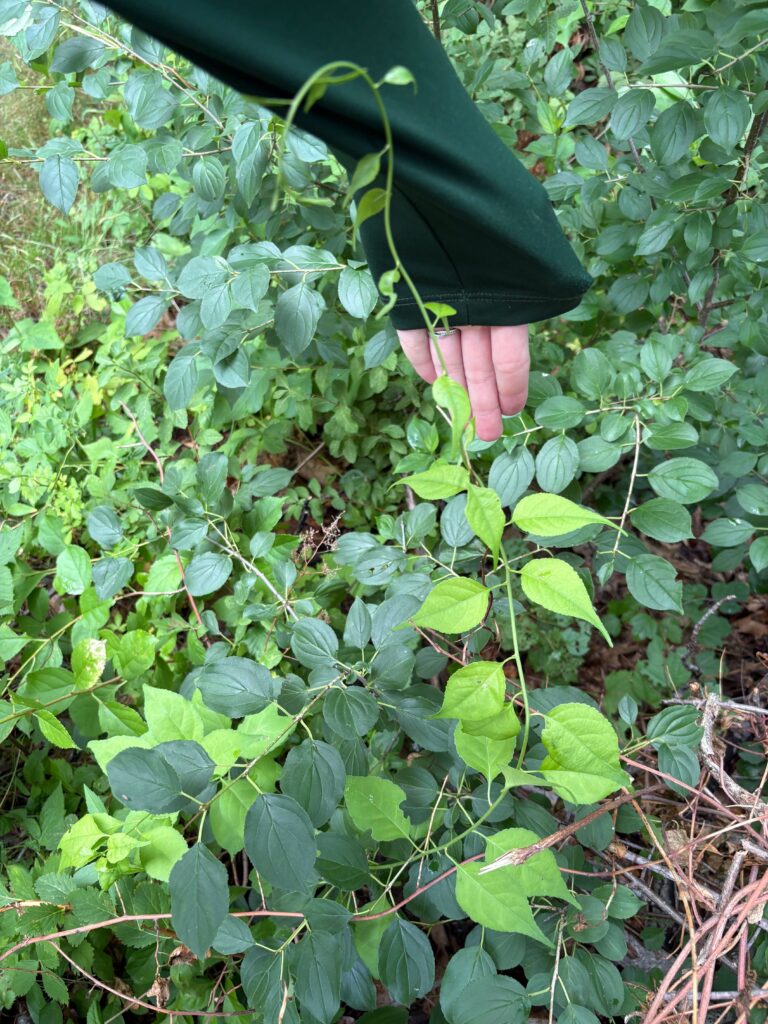
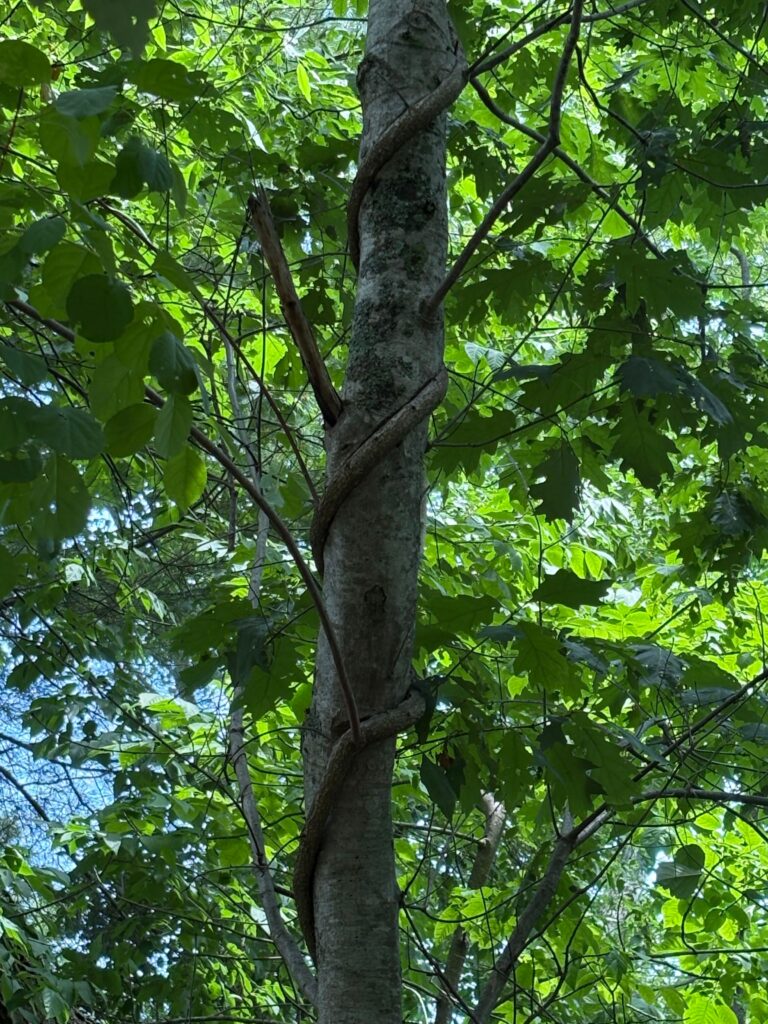
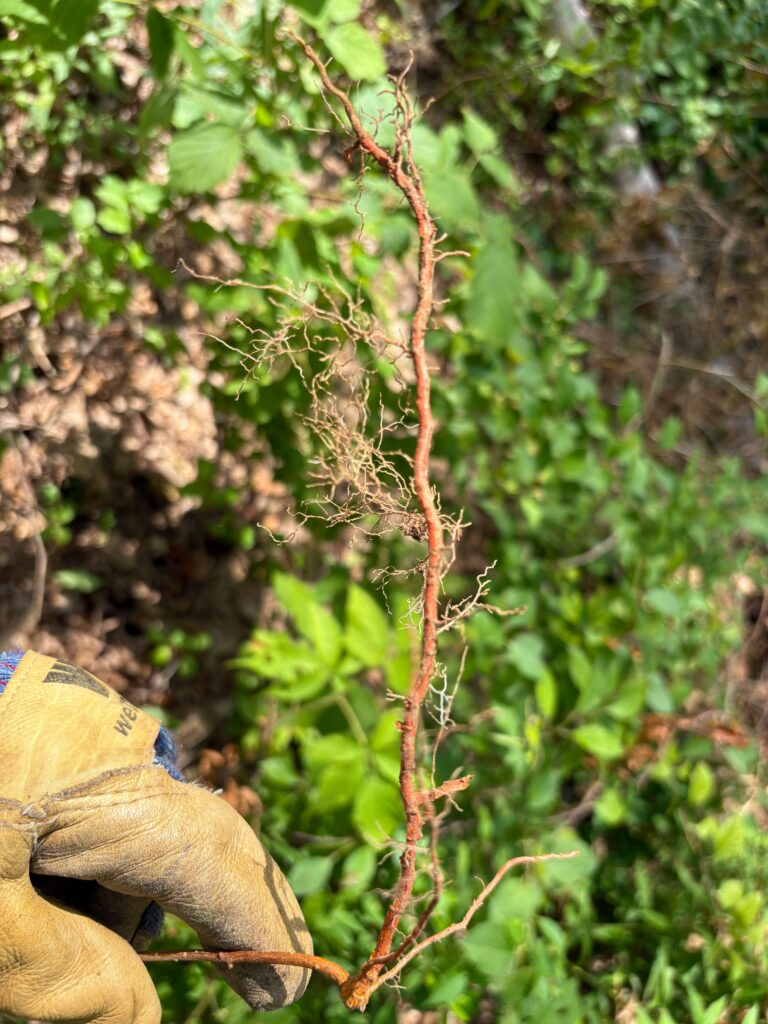
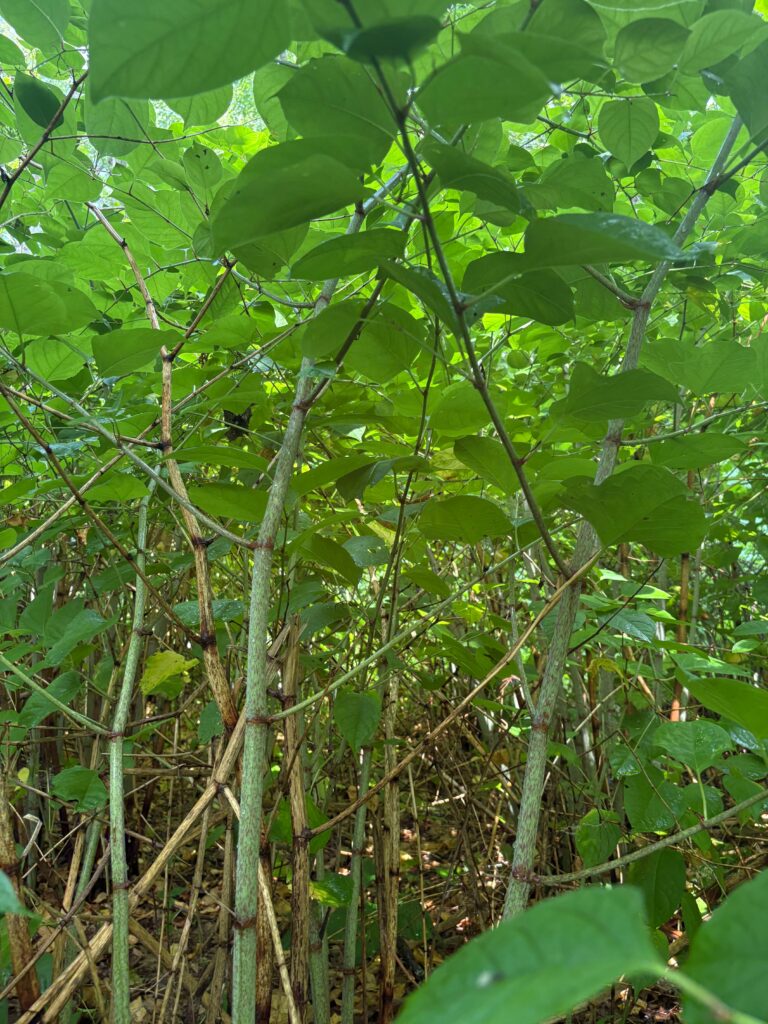
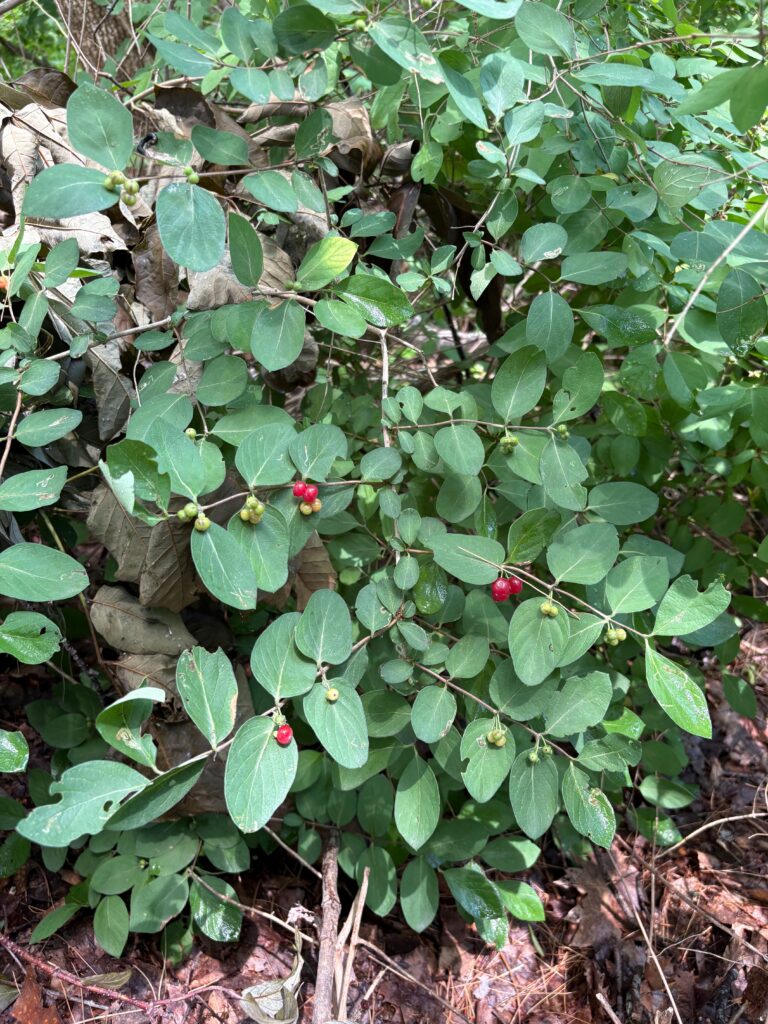
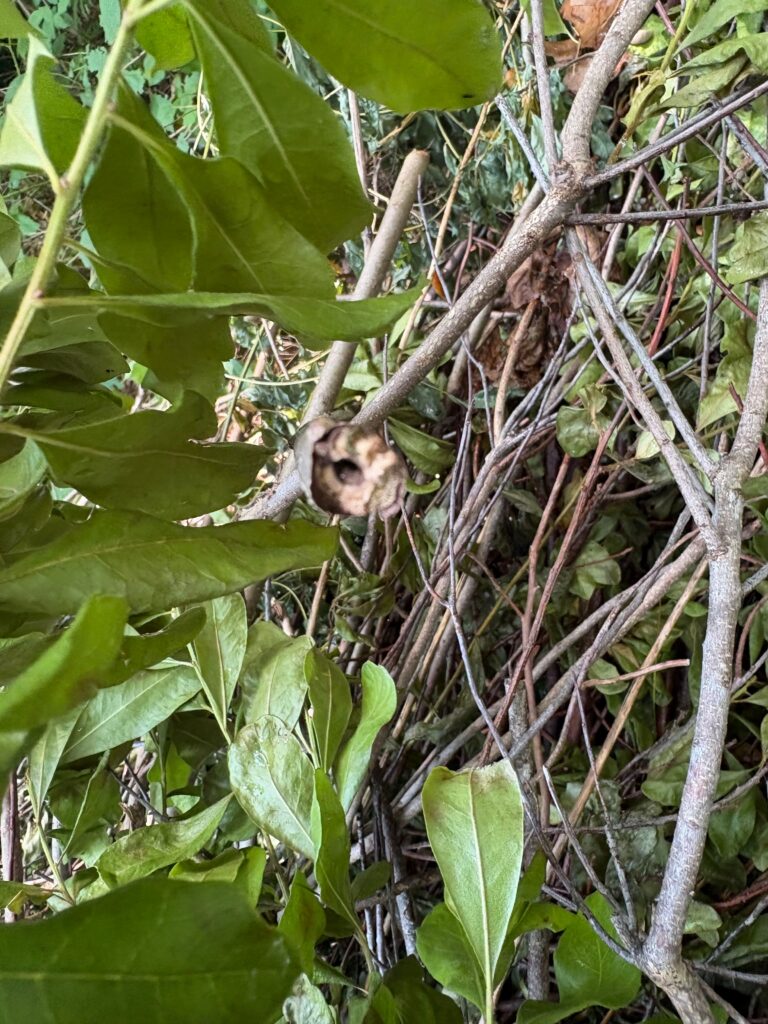
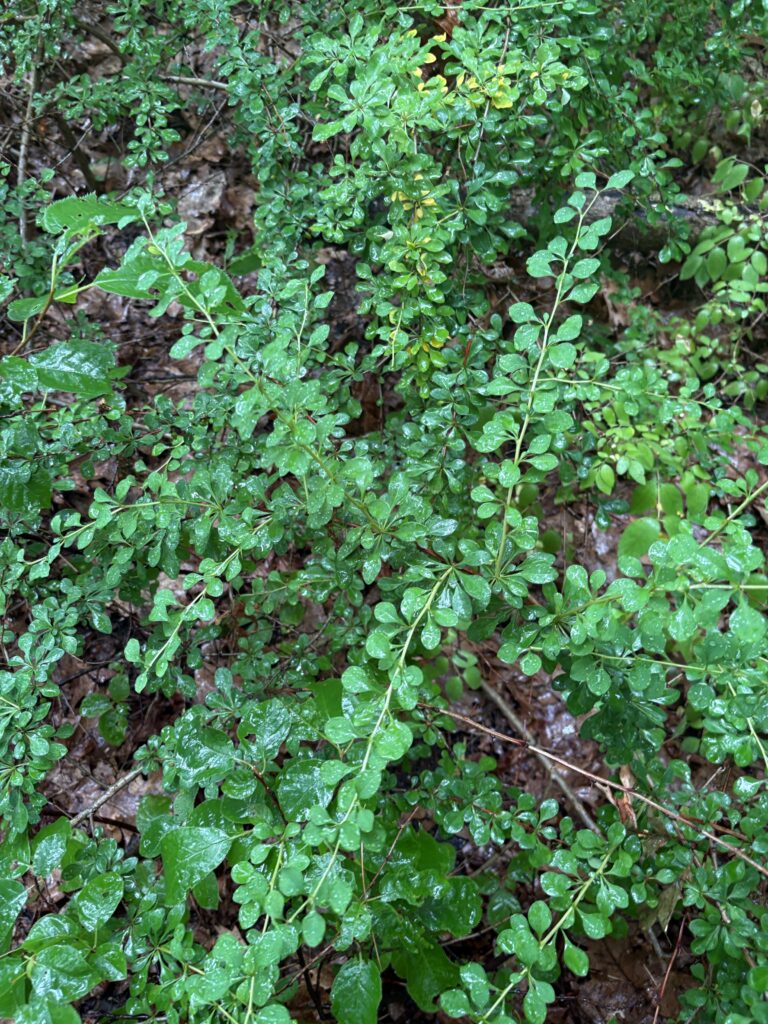
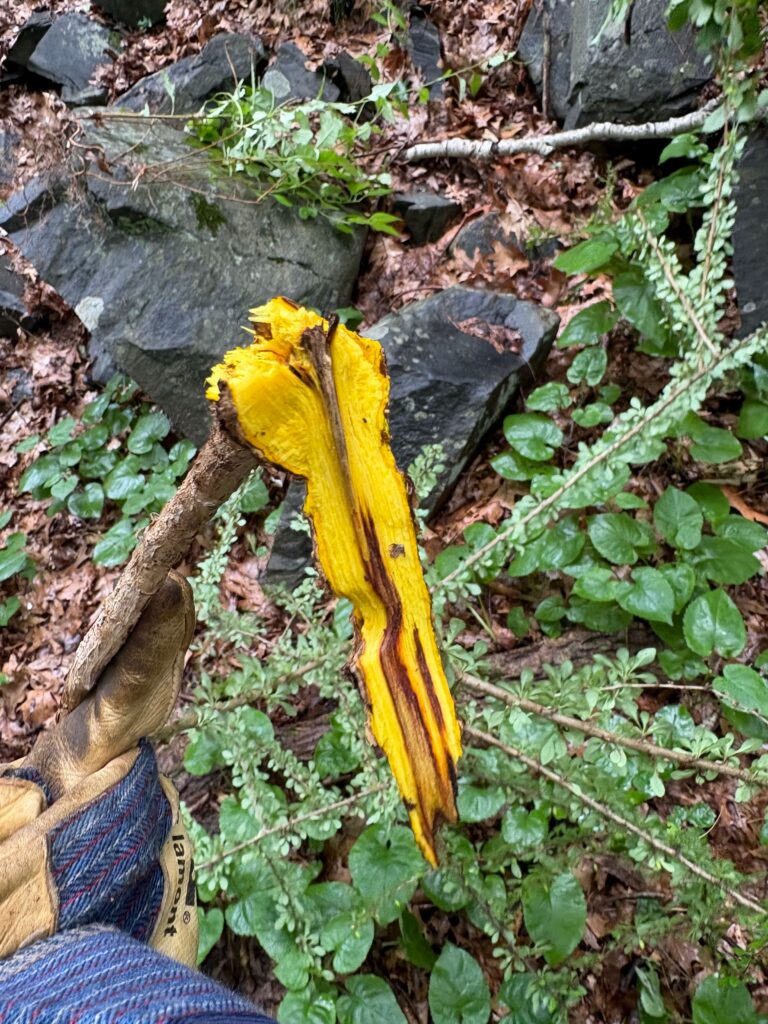
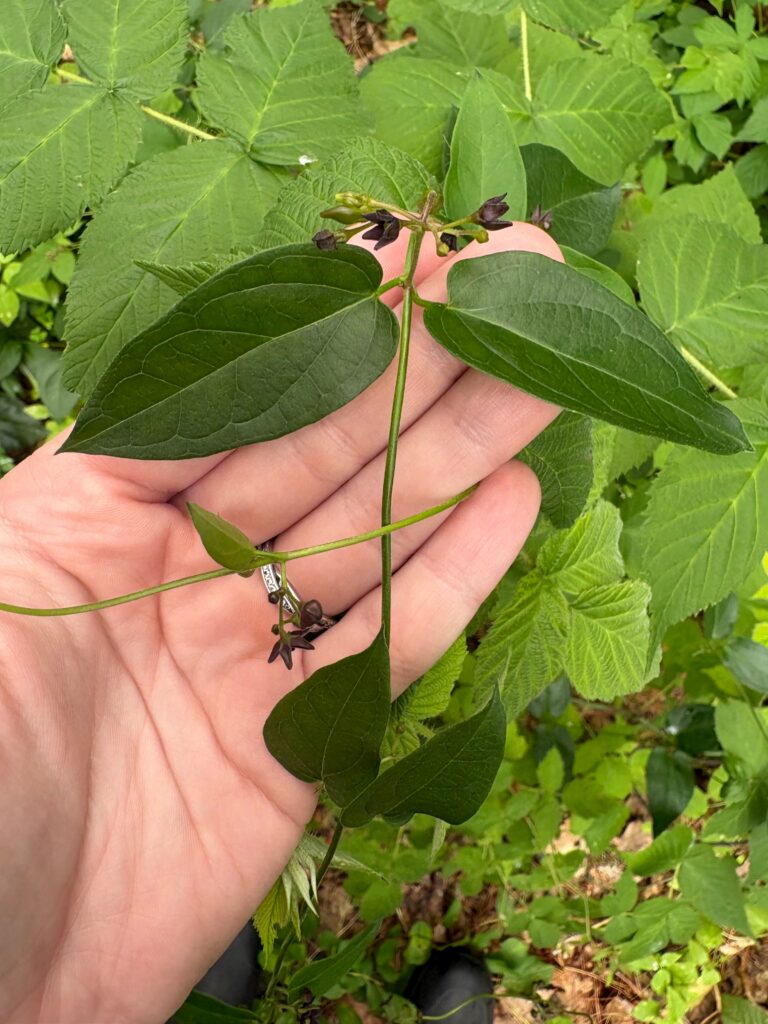
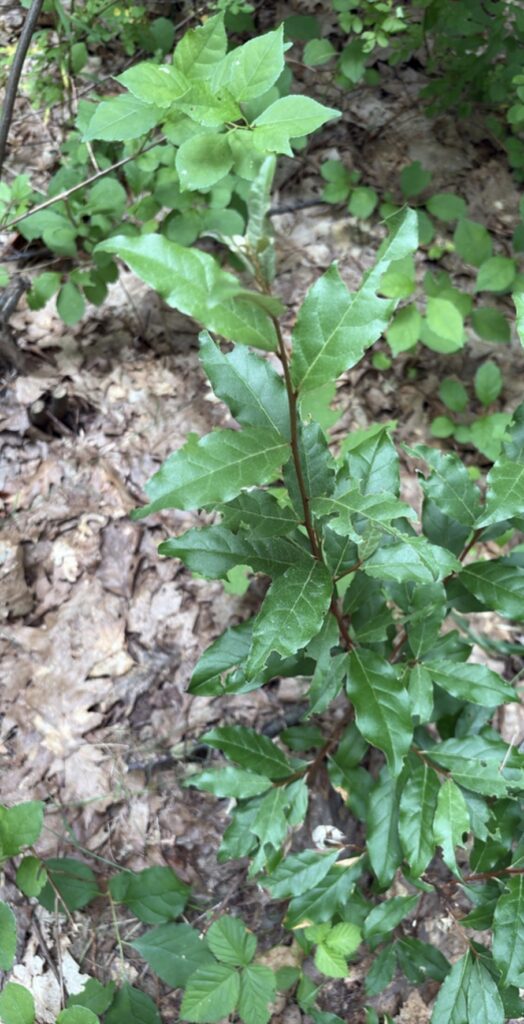
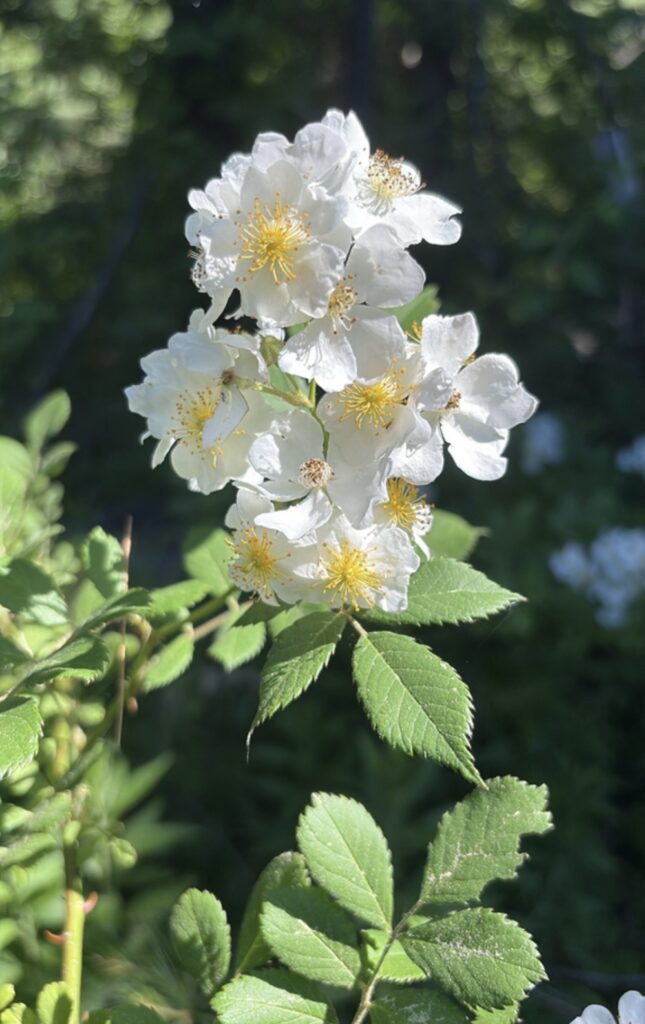
To manage these species, we usually take the manual approach involving consistent hand-pulling of the plant with its roots, or cutting and digging a plant out. In cases too large for an individual or group of volunteers, contractors mechanically equipped to deal with the invasive plants or a company certified to use chemical controls can be called upon. If you are interested in helping out with the management of these invasive species, anyone is invited to join us when we schedule work parties. Summertime is our most active season for this activity, but these events and other stewardship-related ones are scheduled year-round. You can sign up to receive volunteer event emails and learn about upcoming events on our website.